Best Adrenaline Activities in Colorado for First-Timers
Colorado can sell you three completely different first adventures before lunch: a gentle raft trip on the Arkansas River, a guided ride down a purpose-built mountain-bike trail, or a coaster where you control the cart’s speed. They share mountain scenery, but they do not share the same physical demands, exposure, or booking rules.
The best adrenaline activity in Colorado for a first-timer is the one that matches your actual comfort level—and the town where you are staying. A family taking its first river trip near Buena Vista needs a different plan from a couple wanting a high-exposure guided climb in Ouray. Treat the state as several adventure regions, not a single park where every attraction is an easy day trip.
This guide compares the activities by learning curve, fear factor, weather sensitivity, operator requirements, and the practical cost of making them part of a vacation. It does not rank operators by unverified accident statistics or imply that a guided activity is risk-free. Published requirements and prices were reviewed in November 2026; verify them again for your travel dates.
Quick Answer: Which Adrenaline Activities In Colorado Should You Try First?
For a gentle introduction to moving water, investigate the Arkansas River’s Milk Run or another Class I–II guided section. For an active first lesson with equipment supplied, examine Trestle Bike Park’s Learn to Downhill package at Winter Park. A mountain coaster at Copper Mountain, Breckenridge, or Glenwood Springs can deliver mountain-speed sensations without technical lessons, although each ride has specific eligibility rules. [S1][S5][S6][S7]
If heights are the main attraction, a guided via ferrata may be memorable, but choose the actual route and guide carefully. Ouray’s public route is technical and exposed; its operator explicitly recommends a professional guide for inexperienced users. Ziplining may provide a lower-learning-curve introduction, but the course can involve stairs, bridges, walking, and harness fit limits. [S3][S4]
If your group has several different comfort levels, put one guided main event on the calendar and leave room for easy walks, mountain-town food, or a scenic ride. Nobody needs to complete the state’s biggest rapid, highest cable, or steepest trail to have a genuine first adventure.
Comparison at a Glance: Match the Experience, Not Just the Adrenaline
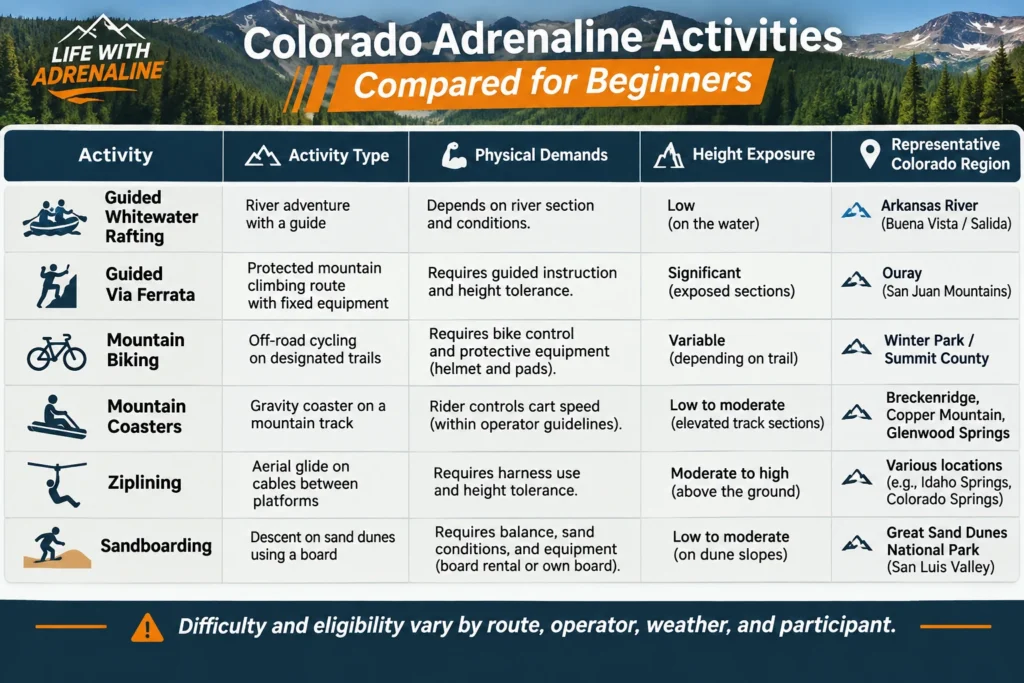
Use the table below as a starting point. These are editorial descriptions of typical formats, not independent safety ratings. An operator may run a very different version of the same activity; the precise course, river section, flow, season, and participant criteria always take priority.
| Experience | Area | What it feels like | Main challenge | Verify before booking |
| Guided gentle rafting | Buena Vista / Arkansas River | Teamwork, splashes | Water comfort and paddling | Section, flow, age, gear |
| Guided via ferrata | Ouray / San Juan region | Height, exposure, climbing | Sustained movement on exposed rock | Certified gear, guide, fit |
| Downhill MTB lesson | Winter Park / Trestle | Speed and skill progression | Braking, balance, fatigue | Lesson, bike, lift, protection |
| Mountain coaster | Summit County / Glenwood | Seated rail-guided speed | Low technical learning | Driver/passenger rules, ticket type |
| Zipline tour | Operator-specific Colorado sites | Gliding above landscape | Height and course features | Weight, fit, walking, braking |
| Sandboarding / sledding | Great Sand Dunes / San Luis Valley | Sliding on dunes | Uphill walking, heat, stopping | Rentals outside park, conditions |
The key choice is how much of the outcome you actively control. A coaster demands relatively little technique; a bike or raft asks you to coordinate movement and react to instructions; a via ferrata involves sustained climbing and exposure. A low-skill attraction can still be intensely frightening to someone uncomfortable with heights or water.
1. Guided Whitewater Rafting — Best for Shared Excitement
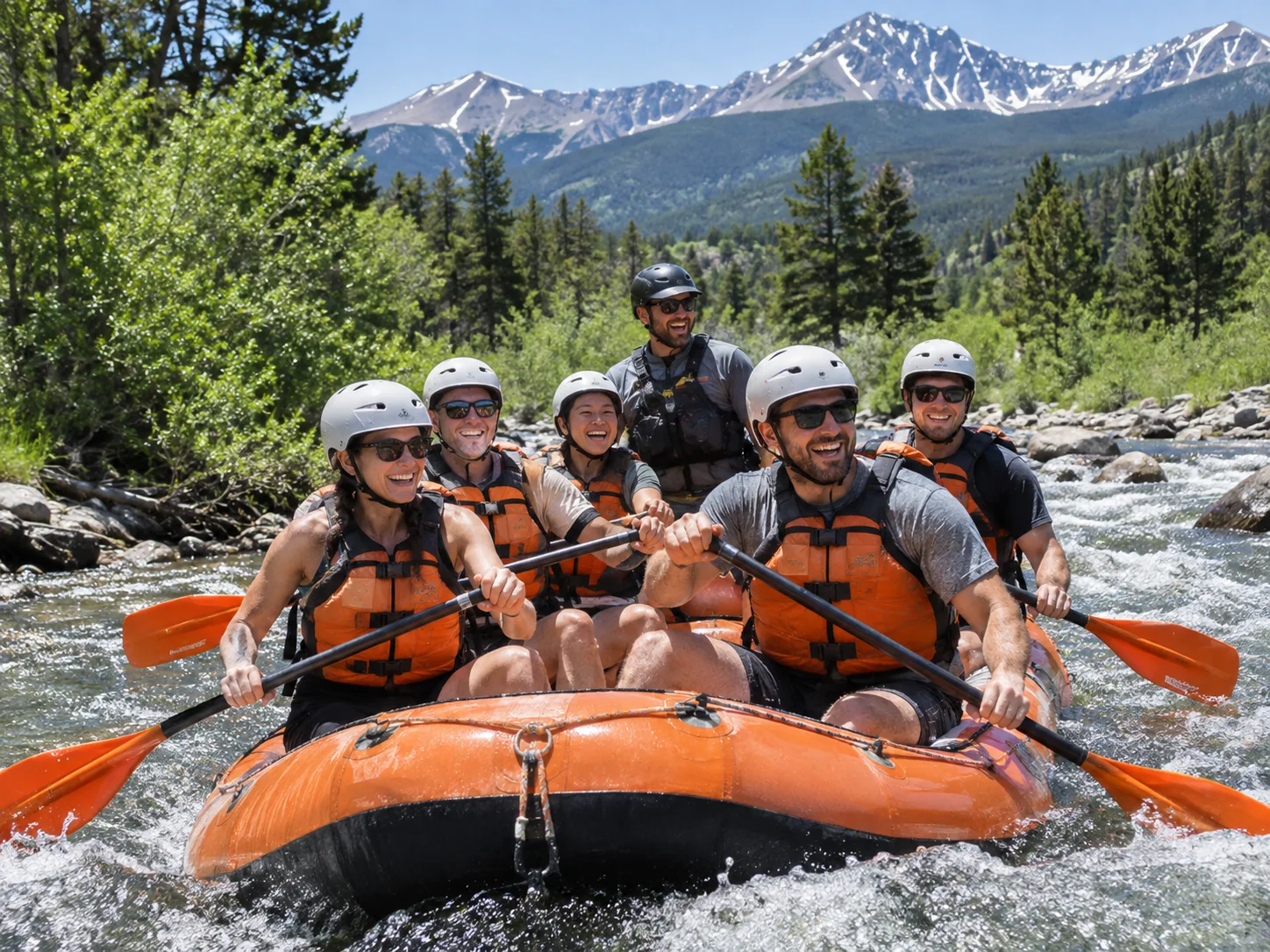
Colorado’s Arkansas River offers one of the strongest case studies in why first-time rafting should be booked by river section, not by the generic word ‘rafting.’ Colorado Tourism identifies the Milk Run near Buena Vista as a gentle Class I–II introduction and describes Lower Browns Canyon as a more relaxed option. Browns Canyon proper delivers a stronger whitewater outing with substantial Class III features that may feel very different to a cautious first-timer. [S1][S10]
The Milk Run is attractive for a group that wants to learn paddling commands, experience moving water, and spend time together without seeking a large continuous rapid. Browns Canyon can be an excellent second step for eligible participants who welcome more splashing and teamwork, but it should not be presented as equally mild. River classifications and minimum ages may change with flow or the exact trip sold.
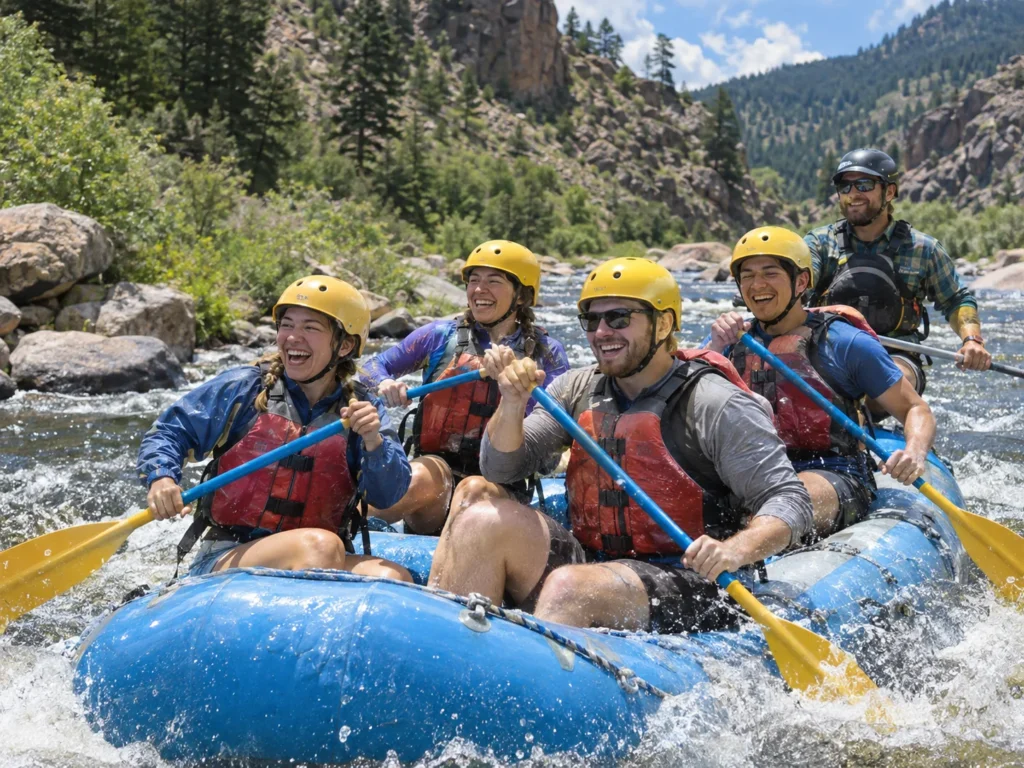
A commercial guide controls the trip plan and gives instructions, but your group still needs to listen, paddle, wear properly fitted flotation equipment, and follow the pre-trip briefing. Ask what happens if a guest enters the water, what protective clothing is included, how shuttle transfers work, and whether the listed duration means on-water time or the full excursion.
Browns Canyon National Monument sits along the Arkansas River between Buena Vista and Salida. The Bureau of Land Management explains that river-based recreation is managed with Colorado Parks and Wildlife; it also notes that access roads and river sites can be unpaved. That context matters if you are comparing launch points or rental-car logistics. [S2]
Our detailed guide to beginner rafting trips in Colorado compares the Milk Run, Upper Colorado, Clear Creek, Bighorn Sheep Canyon, Browns Canyon, and the Lower Animas without pretending they have identical intensity. Read that guide before choosing your precise stretch of river.
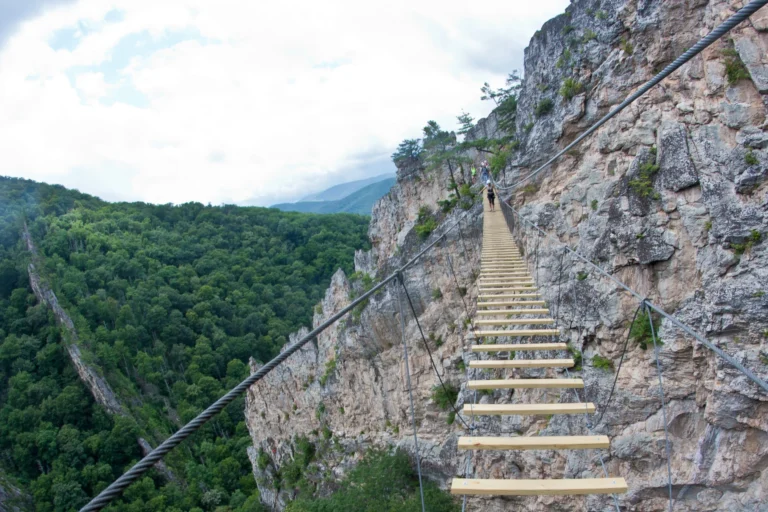
2. Guided Via Ferrata — Best for a Deliberate Height Challenge
A via ferrata uses fixed metal rungs, cables, bridges, and a purpose-built protective system to help participants travel across exposed rock. It is not a normal hiking trail with handrails, and it should never be confused with a casual zipline or scenic viewpoint. The commitment is physical as well as psychological: you may climb, traverse, step across narrow features, and remain exposed for a substantial period.
Ouray is a dramatic Colorado example, but it is not the automatic first pick for everyone. The Ouray Via Ferrata organization’s published rules call the activity hazardous, require certified energy-absorbing via ferrata equipment, a mountaineering helmet and harness, and recommend professional guides for inexperienced people. A minimum reach requirement and manufacturer weight ranges also affect participation. [S3]
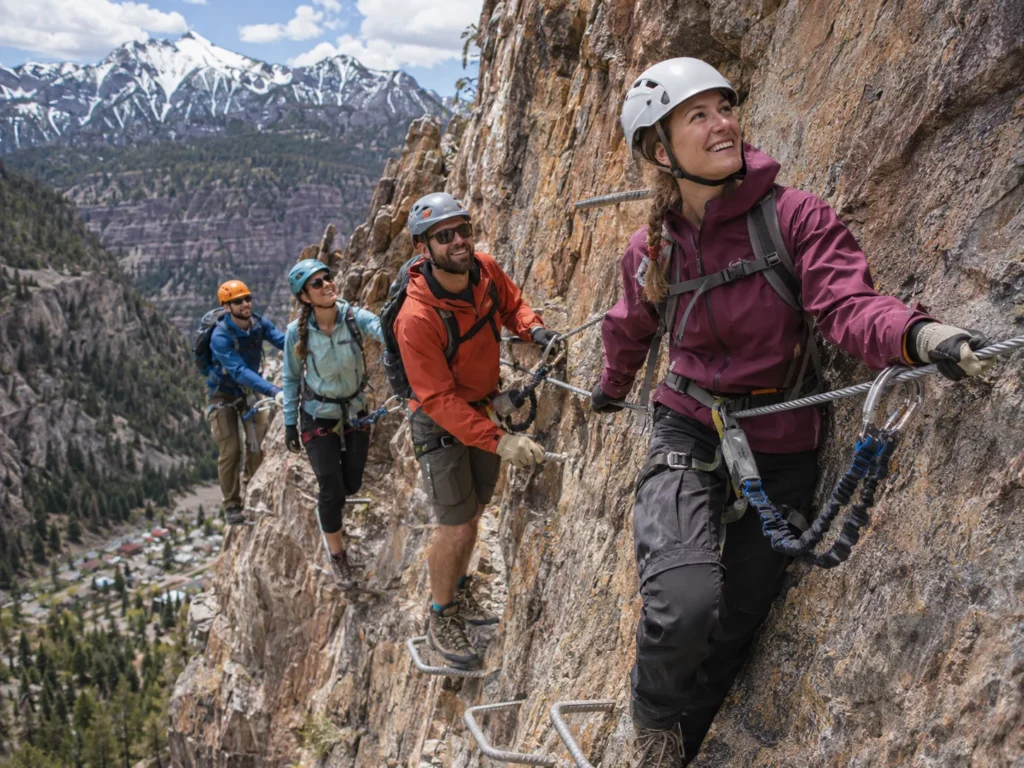
The organization lists approved local guiding services. If you are new, contact one of those services rather than assuming that a free-to-access public route means a beginner-friendly, independently managed tour. Ask which route will be used, whether the guide supplies all certified technical equipment, what happens during bad weather, how much ascending and descending is involved, and whether the group has options to stop before the most exposed sections. [S4]
The distinction between public access and guided booking matters elsewhere too. A guided route that starts with a safety briefing and supplied equipment is a different product from setting out on your own with gear you have never used. For alternatives and the exact differences in route format, see our guide to via ferrata routes in the USA.
Who should choose it: people who are comfortable with sustained physical effort, want an intense height experience, and are ready to comply with a professional guide’s instructions. Who might prefer something else: visitors hoping for a seated thrill, people fearful of multi-hour exposure, or groups where someone cannot meet equipment or route requirements.
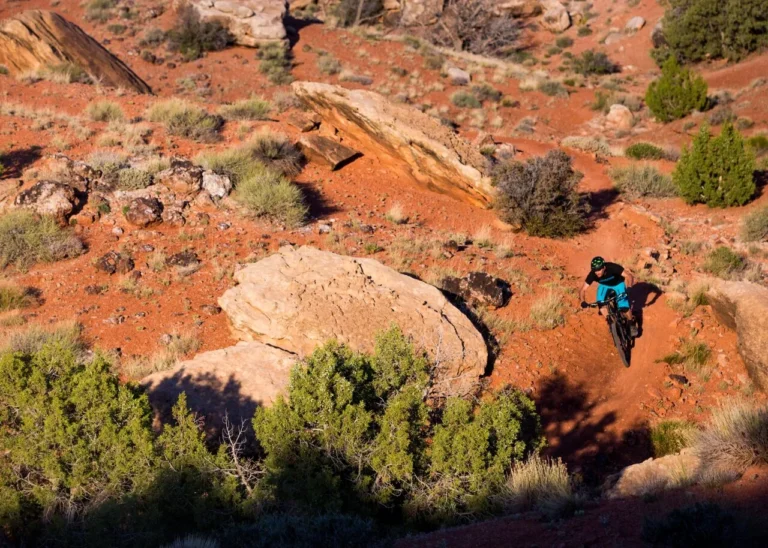
3. Downhill Mountain Biking at Winter Park — Best for Learning a New Skill
If you are attracted by mountain-bike videos but have never ridden a purpose-built downhill trail, start with instruction rather than an all-day lift ticket. Winter Park Resort’s Trestle Bike Park markets a First Timer Learn to Downhill package specifically for first-time and green-level riders. The published package includes a half-day lesson, lift ticket, rental full-suspension bike, full-face helmet, pads, and gloves, with an adult starting price of $199 on the checked page. [S5]
That bundled approach is important. A lift ticket alone is not a lesson, and a standard road or hybrid bicycle is not a substitute for a proper downhill bike. You need to learn how to stand balanced on the pedals, brake smoothly, look ahead, approach corners, and keep speed within your comfort zone. A first run on a green trail is more informative than an ambitious attempt at a famous black trail.
Trestle has a broad trail network, but the size of the park does not mean every trail is suited to a novice. Ask the instructor where to begin, which routes avoid mandatory technical features, whether protective gear fits comfortably, and what the lift-loading procedure involves. Winter Park’s pre-arrival guide also gives arrival and rental-fitting instructions that are worth reading rather than arriving at lesson time with no time to collect your bike. [S12]
A bike-park lesson suits travelers who want a real skill to take home. For someone more afraid of falling on loose terrain than of speed in a fixed vehicle, a mountain coaster will probably be the more manageable start. Our comparison of beginner-friendly lift-served bike parks explains the lesson–bike–lift–protection cost structure, while the separate beginner mountain biking destinations guide covers less gravity-focused riding options.
Allow time after the lesson for rest. Riding downhill repeatedly can be tiring even if the lift removes the climb. Avoid stacking an advanced trail, long hike, and strenuous guided activity into the same afternoon just because they look geographically close on a map.
4. Mountain and Alpine Coasters — Best for a Short, Controlled-Speed Thrill
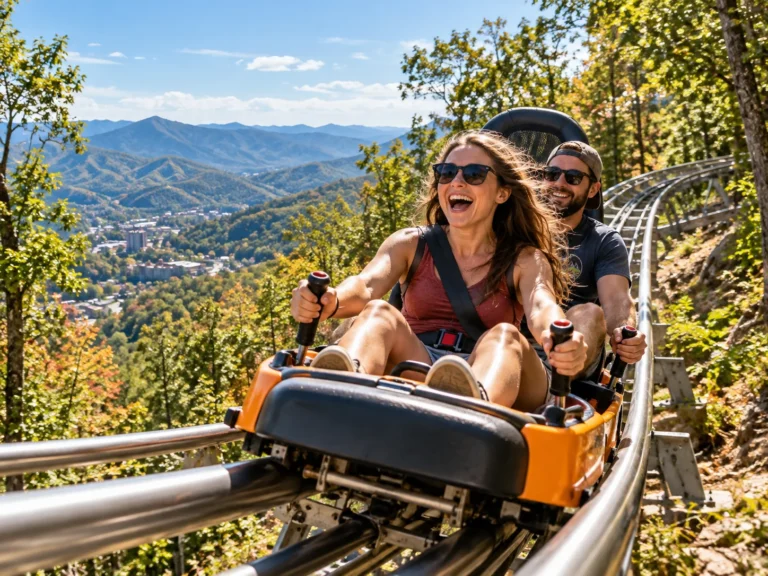
A mountain coaster is often the easiest way for a mixed group to add speed and mountain views without learning a sport. You sit in a cart retained on a fixed rail, and on many systems you can manage your pace with a braking control. That does not make it risk-free, and the rider still needs to follow seating, distance, and braking instructions. It does make the basic task different from steering a bike or navigating rapids.
Colorado offers several formats. Copper Mountain’s Rocky Mountain Coaster is suited to visitors already planning a Summit County mountain day. Breckenridge’s Gold Runner is another option, with resort-published rules for drivers and passengers. The resort currently lists a driver minimum height of 54 inches, passenger minimum of 38 inches, and a qualified driver aged 16 or older for tandem riders. These are specific to that attraction and should not be generalized to every coaster. [S6]
Glenwood Caverns Adventure Park is a different buying decision because an Alpine Coaster ride may be part of a larger park visit. Its published FAQ includes solo-rider height requirements, passenger conditions, and a combined cart weight restriction. Check the actual ticket product and park access before comparing a coaster-only outing with an all-day pass. [S7]
For a quick adrenaline stop, start by asking whether you want a standalone run or a full attraction day. Then confirm operating season, whether weather closes the coaster, age and height requirements, and whether a gondola or park admission is needed. Our best alpine coasters in the USA guide compares the Colorado choices in a wider national context, including cost structures and ride types.
The main weakness of coasters as an adventure vacation centerpiece is duration: the actual ride is short. That is a strength if you want to add a thrill between other plans and a weakness if you are building an entire two-day trip around one experience.
5. Ziplining and Aerial Courses — Best for Scenic Exposure with a Guide
Ziplining can make a strong introductory mountain experience because the rider is attached to a designed cable system and usually receives equipment fitting and a safety briefing before leaving the launch platform. Yet the phrase ‘zipline tour’ covers many different experiences. Some operators focus on a small number of long cables; others include suspended bridges, stairs, short hikes, and participant braking tasks.
If you are planning near Denver or Idaho Springs, investigate local guided adventure operators offering forest or canyon zipline experiences, but book only after reading the current course description. If your route is centered on a resort or another Colorado region, check what is genuinely operating near your accommodation rather than assuming a scenic advertising photograph identifies a nearby cable.
Questions worth asking include the minimum and maximum weight, whether the participant must brake independently, closed-toe footwear rules, exposure to stairs or ladders, whether a guide accompanies each segment, and whether a reservation can be rescheduled for storms. Check that the course fits the youngest or least comfortable member of the group before building the itinerary around it.
Aerial experiences are often easier to understand when compared with guided via ferrata: a zipline focuses on the sensation of gliding; a ferrata focuses on prolonged movement across exposed rock. If you want to compare different beginner formats nationally, read our best zipline destinations for first-timers guide.
6. Great Sand Dunes — A Distinctive Bonus Adventure
Great Sand Dunes National Park and Preserve is not a short detour from the northern Front Range. It belongs in a separate San Luis Valley itinerary. If you have extra days and want a very different kind of speed, sand sledding and sandboarding are worth considering, but they demand walking uphill in sand and careful timing for heat and wind.
The National Park Service says specialized sandboards and sand sleds work better than ordinary snow sleds or cardboard on dry sand. The park does not rent the equipment; visitors arrange rentals from businesses outside its boundaries. The NPS also cautions against extremely hot summer sand surfaces and recommends planning early or late on hot days. [S8]
A sand sled may appeal to someone uncomfortable standing on a board. Start on smaller, softer slopes with a gentle runout, and do not turn an unfamiliar dune into a race. Conditions after rain or snow can change the hardness of the surface. This is a useful bonus activity for a longer Colorado trip, not an automatically convenient add-on to a Winter Park or Ouray weekend.
The strongest reason to include it is contrast. A trip centered on mountains and rivers can end with a radically different landscape—but only if you budget enough driving time, gear collection, and recovery time.
Which Colorado Region Should Be Your Base?
Denver and the nearby Front Range work for an arrival city, museums, food, and access to some guided day activities. Choose this area when flight convenience matters, but verify driving and meeting points; ‘near Denver’ in marketing can still mean a substantial journey into mountain terrain.
Buena Vista and Salida are the clearest base for a river-first itinerary on the Arkansas. You can compare gentler river sections with more energetic guided alternatives and keep the rafting experience as the center of the trip. Do not treat Browns Canyon, Milk Run, and Royal Gorge as one identical water day.
Winter Park is compelling for travelers who want a lesson-based biking trip, especially when everyone is willing to learn and rent suitable equipment. Summit County destinations such as Breckenridge and Copper Mountain work better for visitors mixing resort scenery, shorter rides, and other mountain activities.
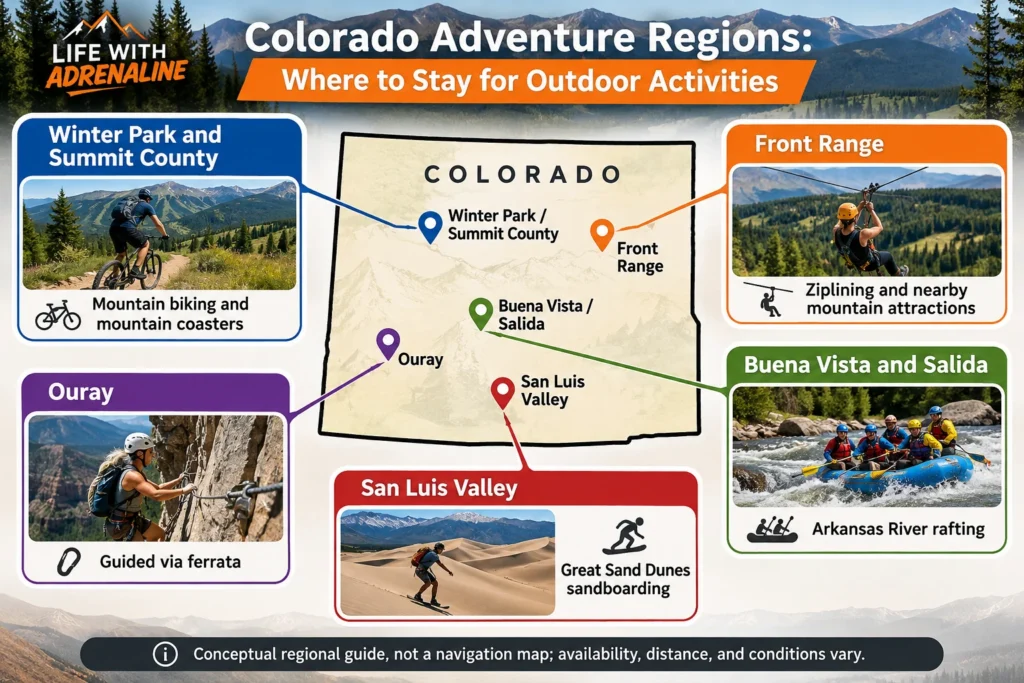
Ouray in southwest Colorado is a specialist choice for visitors whose main goal is a guided height challenge. It is far from the Front Range in practical itinerary terms; choose it deliberately rather than placing it between Denver and an eastern rafting outing on the same day. Glenwood Springs can work as a separate mountain-resort stop; Great Sand Dunes deserves another separate block.
The lesson is geographic honesty: Colorado is a large state. It is easy to design an appealing list of attractions that would be exhausting or unrealistic to combine. Pick one base, then choose activities that fit that geography before adding a second region.
Three Practical Itinerary Ideas
Option A — A first-timer river weekend (two or three days). Base yourself around Buena Vista or Salida. On the arrival day, check into accommodation, confirm your rafting meeting point, and take an easy walk. Book a gentler guided Arkansas River trip the following morning, leaving a flexible afternoon for food, sightseeing, or rest. If your group actively wants more excitement, discuss another eligible section with the outfitter rather than moving automatically to a harder stretch.
Option B — A skill-and-speed mountain break (three days). Make Winter Park your main base. Use the first full day for a beginner downhill mountain-bike lesson with bike, protective gear, and lift access verified in advance. Keep a second day flexible for a scenic mountain activity, a separate resort visit, or a coaster on a genuinely practical route. Avoid promising that a Copper or Breckenridge coaster is next door to Winter Park simply because all three are in the Rockies.
Option C — A guided height-focused trip (three or four days). Plan around Ouray and the surrounding San Juan Mountains rather than Denver. Reserve a suitable professional via ferrata guide, leave enough recovery time after the outing, and keep a scenic or easy walking day as a backup if exposure, weather, or physical limitations make the route unsuitable. Do not schedule an exposed climb for an afternoon with deteriorating forecasts.
These are editorial examples, not timed schedules. Driving, seasonal access, altitude adjustment, local booking slots, and operator departure times must be checked for the actual dates before you decide that a given combination is realistic.
Budget Planning Without Pretending Every Ticket Is Comparable
Colorado adventure prices vary by season, group size, booking date, equipment, and what is included. A guided raft excursion might price by person and add river access fees; a bike-park lesson may bundle lift access and rental; a mountain coaster may sell a single ride or an amusement-park package; a guided ferrata may price by group or participant. Do not put those advertised numbers into one ‘cheapest thrill’ ranking without normalizing the product.
For example, Winter Park’s checked first-timer biking package advertises an adult starting price of $199 and includes the lesson, bike, protection, and lift ticket. That is not comparable to a lower-priced stand-alone ride ticket or a rafting rate before fees. Treat it as an example of included value rather than a permanent statewide benchmark. [S5]
Build an all-in estimate with six lines: activity ticket; mandatory or expected fees; rental equipment not included; transport and parking; meals and accommodation; and optional photos or gratuities. If your group includes children, enter each age and size separately. If someone cannot meet the participation requirements, the entire booking plan may need to change.
A simple reality check works well: would you still choose the activity if the advertised ticket were not the cheapest one? If its timing, fit, and overall travel plan are poor, the apparent savings can disappear into transfers, unused admission, and fatigue.
Weather, Altitude, and Safety: The Part That Can Change Your Plan
Colorado’s high terrain changes the risk calculus. The state tourism office cautions that summer afternoon thunderstorms can develop quickly in the mountains and advises planning hiking to avoid exposed peaks and ridgelines as storms build. The timing of guided programs and commercial activity suspensions also varies by operator. Always follow their current go/no-go decisions. [S9]
Altitude can turn an otherwise simple walk or long outing into a tougher first day. If you arrive from a low elevation, leave room to adjust, drink water, and avoid combining the hardest activity with the first hours after a long travel day. If significant headache, nausea, dizziness, or other symptoms occur at elevation, do not dismiss them as routine excitement; descend and seek medical advice as appropriate. [S11]
For rafting, check the actual river flow, season, helmet and PFD rules, minimum ages, and your swimming comfort. For via ferrata, verify certified gear, guide credentials, the precise route, reach and weight criteria, and weather exposure. For biking, confirm green routes, braking instruction, properly fitted protective equipment, and rider fatigue. For coasters and ziplines, operator-specific seating and harness rules matter more than generalized online assurances.
A useful family approach is to let the least comfortable eligible participant shape the first day’s difficulty. Someone can always choose a stronger experience later. Starting too aggressively can turn a vacation highlight into a day of avoidable stress.
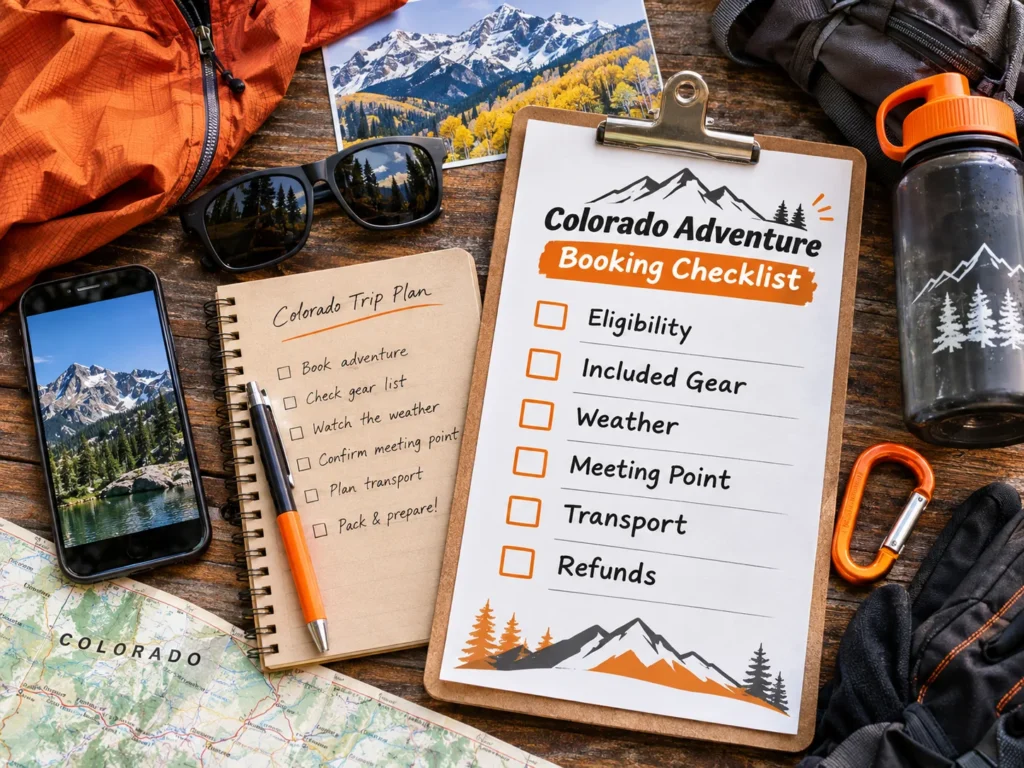
Before You Book: Nine Questions That Save Trouble
First, what exact course, river section, ride, or bike trail is included—not merely the attraction’s brand name? Second, does every participant meet the operator’s age, height, weight, reach, health, and ability requirements? Third, is this marketed for a true first-timer, and what instruction does the operator provide?
Fourth, what is included in the price: equipment, helmet, flotation device, transportation, lift access, park admission, guide, or taxes and access fees? Fifth, how much of the time is spent doing the activity rather than checking in, fitting gear, or riding a shuttle? Sixth, what weather or river conditions cause changes or cancellation?
Seventh, what footwear and clothing are required, and what personal gear should be left behind? Eighth, where is the actual meeting point and what travel time should you allow from the place you are sleeping? Ninth, what is the refund or rescheduling policy if a member of your group cannot participate or conditions change?
Write the answers down for your two top choices. The best first adventure usually becomes clear once the complete experience—not just its headline photograph—is visible.
Frequently Asked Questions
Is Colorado good for a first adrenaline vacation? Yes, because travelers can choose very different guided and low-tech-skill experiences. But Colorado’s high elevation, driving distances, changing weather, and operator rules make planning more important than picking a scenic photo.
What is the easiest adrenaline activity in Colorado? A mountain coaster often demands less physical skill than rafting, downhill biking, or via ferrata. Easy to operate does not mean suitable for every rider: check height, health, seating, and braking rules for the specific coaster.
Can first-timers raft Browns Canyon? Some guided Browns Canyon outings accept eligible beginners seeking more energetic water. It is not interchangeable with the gentler Milk Run. Flow levels, exact river sections, restrictions, and the operator’s advice matter. [S1]
Should a first-timer do the Ouray Via Ferrata without a guide? The route’s governing organization explicitly recommends professional guiding for inexperienced participants and requires certified technical equipment. Follow those rules and seek an approved professional. [S3][S4]
What can I do without buying equipment? Guided raft trips, beginner bike lesson packages, and many guided aerial outings commonly supply their essential technical gear. Confirm the exact operator’s inclusions rather than assuming that every provider does. A coaster typically requires no personal technical equipment.
What is the best season for a Colorado adventure trip? It depends on the activity. Summer offers many mountain and river experiences, while snow, river flow, storm risk, and resort operating calendars can change the picture. Check actual dates, not a generic statewide ‘summer season.’
The Colorado Adventure Worth Choosing
If you want a first outing that makes you feel involved without needing a technical sport background, start by comparing a gentle guided Arkansas River trip and a coaster near a resort you already plan to visit. If you want to learn something, consider a proper first-day mountain-bike lesson. If heights are the appeal, investigate a guided via ferrata or a well-specified zipline course instead of choosing by record claims.
Most importantly, choose a region before building a checklist of thrills. That one decision determines whether a trip feels like a satisfying adventure vacation or a series of rushed drives. Colorado has more than enough variety to reward a focused plan. One well-matched experience and time to enjoy the setting are worth more than five attractions booked only because they sound extreme.
Sources and Verification
Operator and agency details were checked 10 November 2026. Prices, opening status, weather rules and eligibility may change. These are source references, not a claim of personally testing the experiences.
[S1] Colorado Tourism — Family-Friendly Whitewater Rafting in Colorado. https://www.colorado.com/articles/family-friendly-whitewater-rafting-in-colorado
[S2] BLM — Browns Canyon National Monument. https://www.blm.gov/programs/national-conservation-lands/colorado/browns-canyon
[S3] Ouray Via Ferrata — Rules and Safety Requirements. https://ourayviaferrata.org/rules/
[S4] Ouray Via Ferrata — Approved Guiding Services. https://ourayviaferrata.org/guiding-services/
[S5] Winter Park — First Timer Learn to Downhill. https://www.winterparkresort.com/plan-your-trip/deals-and-packages/learn-to-downhill
[S6] Breckenridge — Summer Arrival and Gold Runner Requirements. https://www.breckenridge.com/explore-the-resort/about-the-resort/summer-arrival.aspx
[S7] Glenwood Caverns — Ride Requirements. https://www.glenwoodcaverns.com/park-info/faq/
[S8] National Park Service — Sandboarding and Sand Sledding. https://www.nps.gov/grsa/planyourvisit/sandboardingsandsledding.htm
[S9] Colorado Tourism — Summer and Fall Backcountry Safety. https://www.colorado.com/articles/safety-tips-colorado-backcountry-adventure-summer-through-fall
[S10] Colorado Tourism — 2026 Arkansas River Rafting Itinerary. https://www.colorado.com/articles/colorados-ultimate-3-day-arkansas-river-rafting-trip
[S11] Colorado Tourism — Fourteeners and Altitude Considerations. https://www.colorado.com/activities/14ers
[S12] Winter Park — Pre-Arrival Guide for Mountain Biking. https://www.winterparkresort.com/plan-your-trip/pre-arrival-guide